

Table of Contents
The social media mistakes small businesses make rarely come from a small budget. They come from how that budget is used. A shop boosts a post, collects a few likes, and still gets no enquiries.
If that sounds familiar, you’re not alone. When I set up social media for a small business, I don’t start with posts or ads. I start with the business, its audience, and what it actually wants to achieve.
This guide covers seven mistakes I see often in social media marketing in Kerala. Each one comes with a simple fix you can try this month.
1. Boosting Posts Without a Clear Goal
This is the most common of all the social media mistakes small businesses make. Owners boost a post to get attention. Likes feel good, but they don’t pay the bills.
Imagine a clothing boutique that spends ₹5,000 boosting Instagram posts for a month. (This is a hypothetical example, not a real client.) The posts get likes and a few comments, but almost no purchase enquiries. There’s no offer and no call to action.
The fix: Pick one goal before you spend anything. It could be WhatsApp enquiries, store visits, or orders. Then build every post and ad around that goal.
2. Targeting Everyone Instead of Nearby Customers
A broad audience burns through your small business social media budget quickly. A shop in Thrissur gains little from people scrolling in another state.
Social media ads for small businesses work best when they reach people who can actually visit or order.
The fix: Set your location to the areas you can serve, such as Kochi, Thrissur, or your own town. Then describe your ideal customer by age and interests. Meta’s Business Help Centre explains how ad objectives and audiences work together.
3. Treating Social Media Like a Digital Brochure
Does every post on your page say “buy now”? Then your page works like a digital brochure. People may glance at it, but they won’t build a relationship with you.
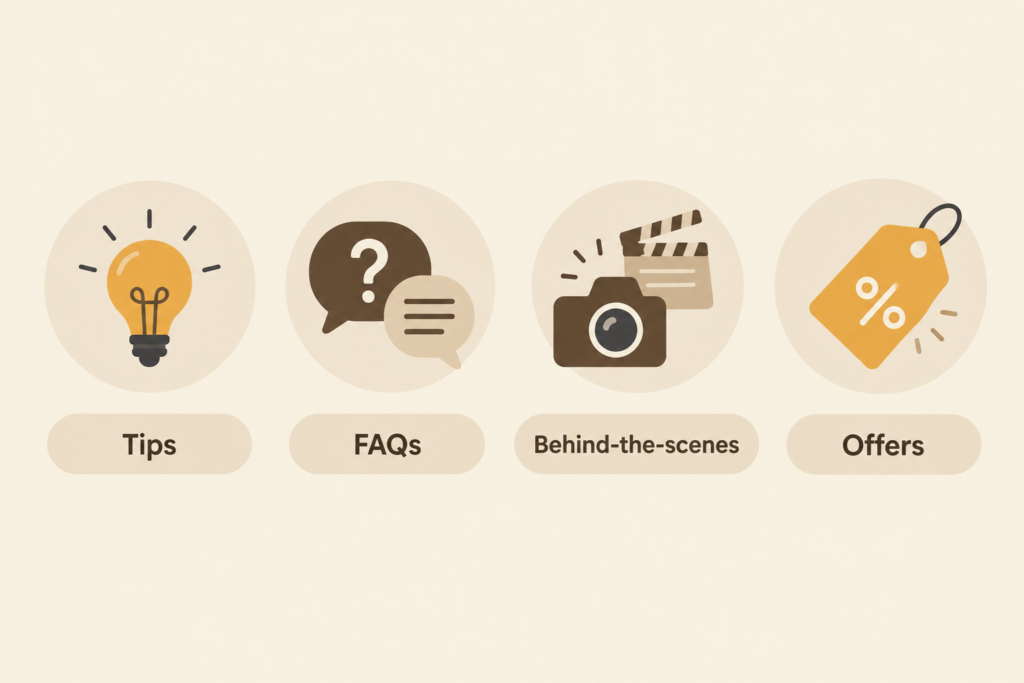
The fix: Mix your content. Here’s a simple balance:
- Helpful tips and customer FAQs
- Product demonstrations
- Behind-the-scenes videos
- Occasional promotional offers
Instagram marketing for small businesses works especially well with Reels and Stories. They let customers see your products and your people in a more natural way.
4. Posting Inconsistently
Some businesses post five times in one week and then vanish for a month. Followers forget you, and the algorithm has little to work with.
The fix: Choose a schedule you can keep. Two or three posts a week, done steadily, beats a burst of activity followed by silence. You don’t need daily professional shoots. You need consistency and content that matters to your audience.
5. Ignoring Local Language and Culture
A strategy built for a national brand won’t always work for a business serving Kerala customers. Language is a big reason.
Don’t assume English is always best. Malayalam can feel more familiar and relatable. English may suit professionals or a wider market. A natural mix often works well. The key is to know how your customers prefer to communicate.
Festivals matter too. Onam, Vishu, Eid, and Christmas are real opportunities. But a plain greeting image isn’t enough. A clothing shop can show festive collections. A restaurant can promote a special menu.
The fix: Make your content feel local, not just your targeting. Use customer testimonials, genuine product demonstrations, and regional references to build trust. This is what makes social media marketing in Kerala feel relevant.
6. Making It Hard to Enquire
Social media may introduce people to your business. But many customers would rather ask about prices or place an order on WhatsApp.
The fix: Add a clear WhatsApp button and contact details to your profile and ads. Then reply quickly. A slow reply can cost you a sale you already paid to attract.

7. Counting Likes Instead of Results
Likes and views are easy to see. Enquiries and sales take more effort to track, so many owners skip them.
The fix: Track what matters to the business. I use these tools:
- Instagram Insights and Facebook Insights for reach, profile visits, and audience activity
- Meta Ads Manager for spend, clicks, enquiries, and conversions
- Google Analytics and Google Search Console for website traffic, where relevant
Review the numbers regularly, and put more money behind what works. Social media marketing should never be guesswork.
My Simple Setup Process
Before posting or spending anything, I follow four steps:
- Understand the business and audience. I check the products, target customers, and competitors. I also check whether the business targets local customers or a wider market.
- Review the current presence. I look at the bio, contact details, content quality, posting habits, and call to action.
- Build a simple content strategy. I pick the right platform and decide what to post and how often. Instagram often suits product-based businesses. Facebook can help connect with local communities.
- Track and adjust. I review the results regularly and change the plan based on them.
How to Spend a ₹5,000 Small Business Social Media Budget

You don’t need a huge budget to start. But you shouldn’t put all of it into ads either. Here’s the split I’d suggest:
| Activity | Monthly budget |
|---|---|
| Targeted Instagram and Facebook ads | ₹3,000 |
| Simple creative production and editing | ₹1,000 |
| Testing different audiences and content | ₹500 |
| Reserve for the best-performing campaign | ₹500 |
| Total | ₹5,000 |
Start with one main platform, based on where your customers spend time. In month one, test a small number of creatives and audiences instead of running many campaigns. Then move more of next month’s money to what performs best.
What I’d never spend money on:
- Buying followers, likes, or fake engagement
- Boosting every post without a clear objective
- Running ads without a defined audience
- Expensive content production before you know what customers respond to
- A campaign that gets no results and never gets reviewed
One caution: no one can promise that ₹5,000 will guarantee sales. Results depend on your industry, offer, audience, competition, and campaign quality.
Quick Recap: The Social Media Mistakes Small Businesses Should Fix First
| Mistake | Simple fix |
|---|---|
| No clear goal | Pick one goal before spending |
| Broad targeting | Target nearby customers |
| Brochure-style posts | Mix tips, demos, and offers |
| Inconsistent posting | Keep a realistic schedule |
| Ignoring local culture | Use Malayalam, festivals, and local trust |
| Hard to enquire | Make WhatsApp easy and reply fast |
| Counting only likes | Track enquiries and sales |
FAQs
What is the best social media marketing Kerala businesses can start with?
Start with one platform where your customers already spend time. For visual products, Instagram is often a good first choice. Add Facebook if you want to reach local communities.
How much should a small business spend on social media?
There’s no fixed number. A business with ₹5,000 a month can still test ads, create simple content, and learn what works. Start small and scale what produces enquiries.
Is Instagram marketing for small businesses worth it?
It can be, if you use it with a clear goal. Reels, Stories, and a clear WhatsApp contact option help turn views into enquiries. Track results so you know it’s working.
Conclusion
The social media mistakes small businesses make are fixable. Set one clear goal, target nearby customers, post consistently, and make your content feel local. Then make enquiries easy and track what matters.
Good social media marketing in Kerala doesn’t need a huge budget. It needs a clear strategy and the discipline to learn from the results. Start small, measure everything that matters, and scale what works.
Looking for the best digital marketing freelancer in Kochi to grow your business online? I help businesses build a strong digital presence through customized digital marketing strategies, including SEO, social media marketing, content marketing, Google Ads, and website optimization. My approach focuses on understanding your business, target audience, and goals to create practical strategies that improve online visibility, attract the right audience, and generate meaningful results.